
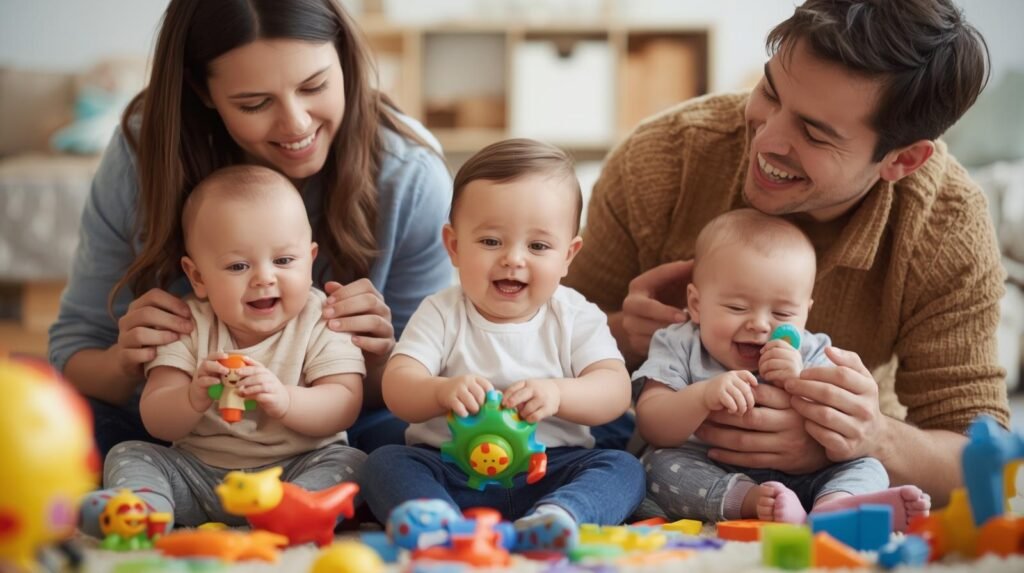
Baby toys and playtime are more than just fun and games—it’s the foundation of a child’s learning, creativity, and emotional growth. When children play, they’re not just passing time; they’re building critical skills that shape who they’ll become. From problem-solving to imagination, from communication to confidence, play is where so much of childhood development begins. That’s why encouraging playtime is one of the most important roles parents can take on.
In this article, we’ll explore the importance of baby toys, parent-friendly ways to encourage play, keep kids engaged, and make the most out of toys like LEGO sets, Fisher-Price play gyms, Barbie dolls, Hot Wheels cars, wooden building blocks, and plush animals. By blending structured play with free exploration and adding a touch of parental involvement, you’ll not only help your child grow—you’ll also create lasting family memories.

Create a Dedicated Play Space
Children thrive in environments that feel safe, inviting, and theirs. One of the simplest yet most effective strategies for encouraging playtime is to set up a dedicated play area.
This doesn’t have to be a fancy playroom—sometimes a corner of the living room or bedroom works perfectly. What matters most is creating a space where your child feels free to explore. Add a soft rug, a baby toys shelf, and bins to keep things organized.
Stock the space with a variety of age-appropriate toys:
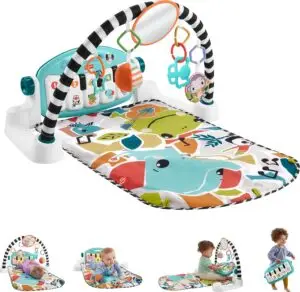
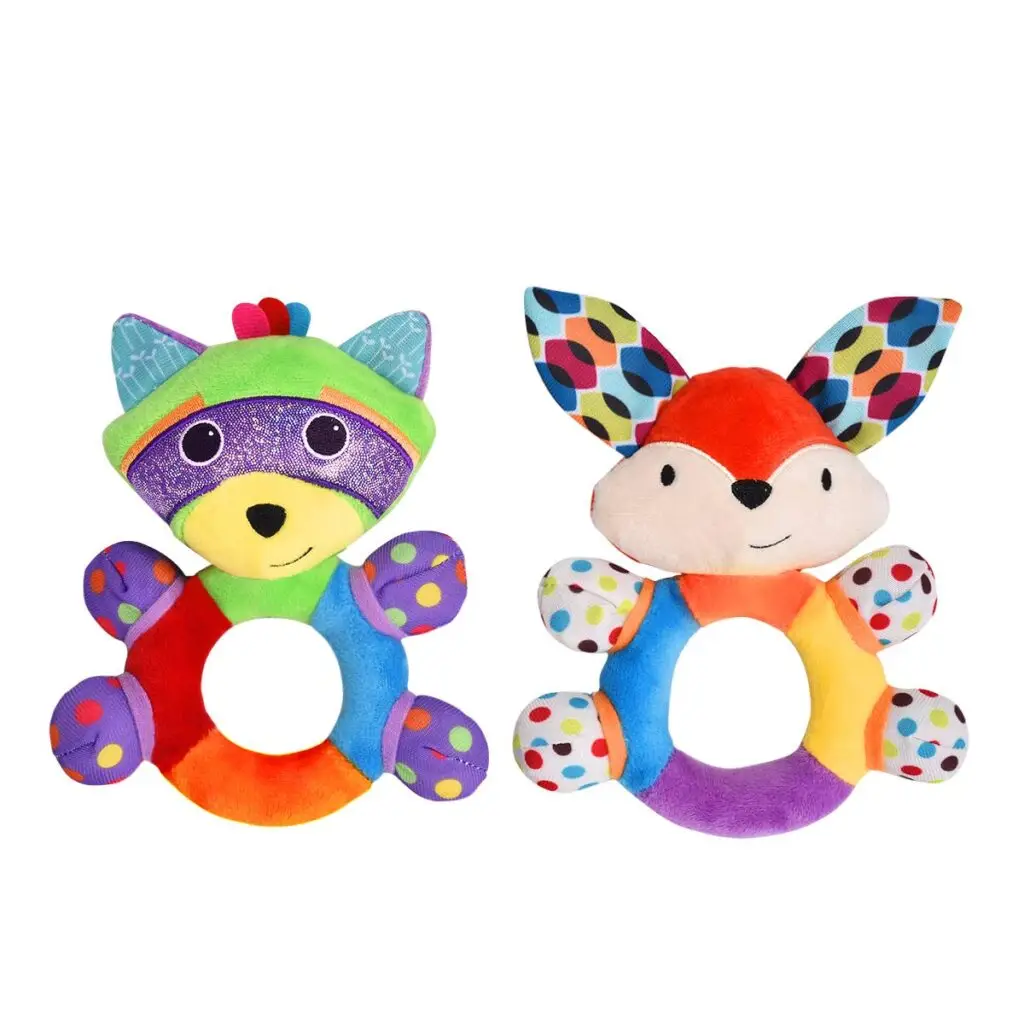
- Infants: soft rattles, plush caterpillars, and activity gyms like the Fisher-Price Kick & Play Piano Gym.
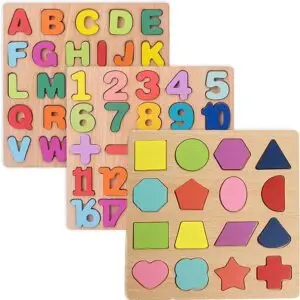
- Toddlers: stacking cups, shape sorters, wooden puzzles, and ride-on toys.
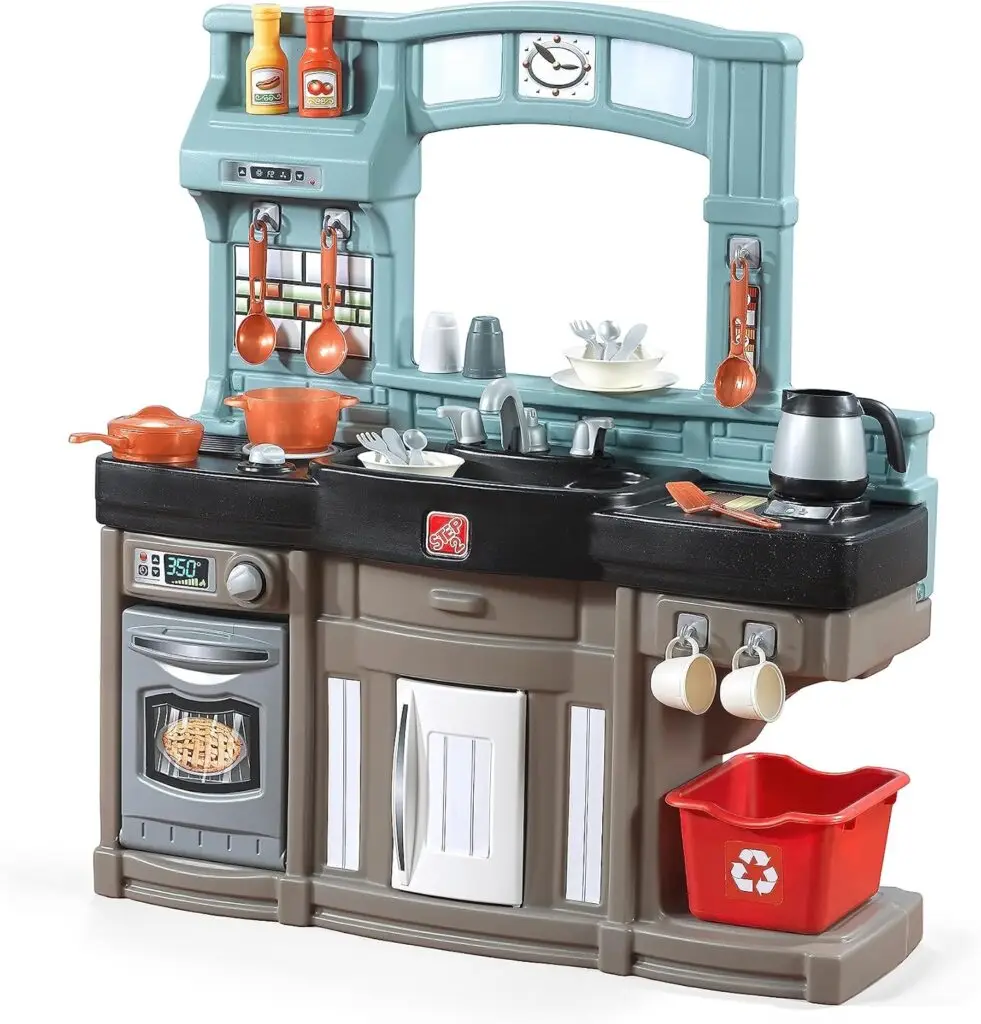
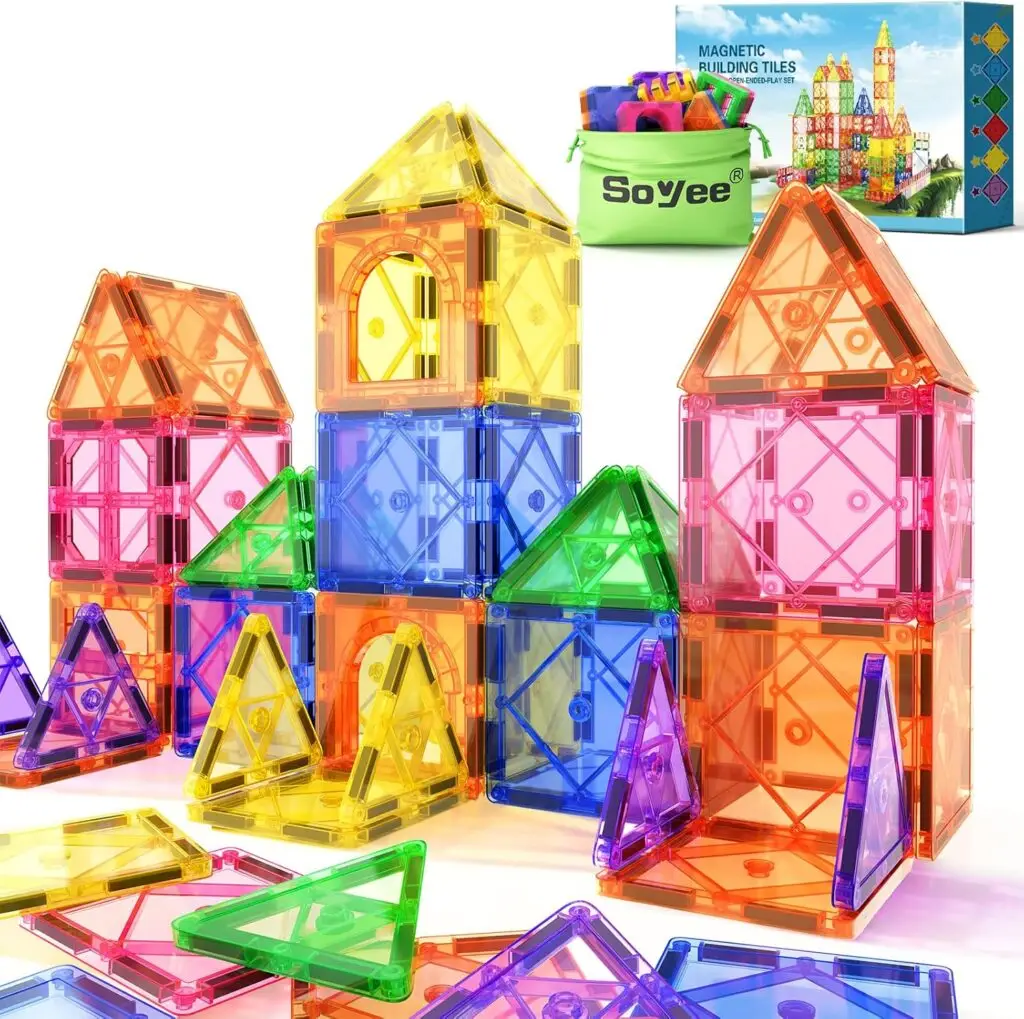
- Preschoolers: building blocks, Play-Doh, and pretend-play sets like a Barbie Dreamhouse or a play kitchen.
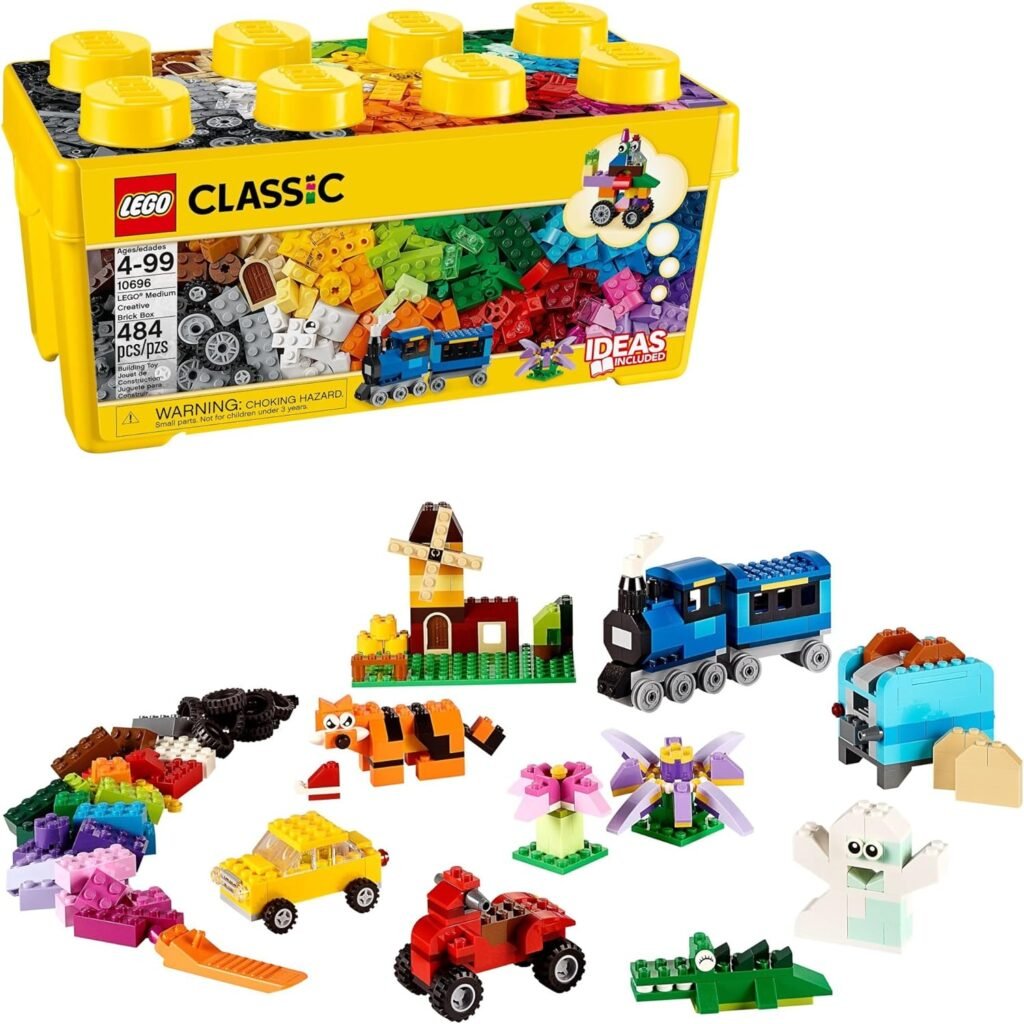
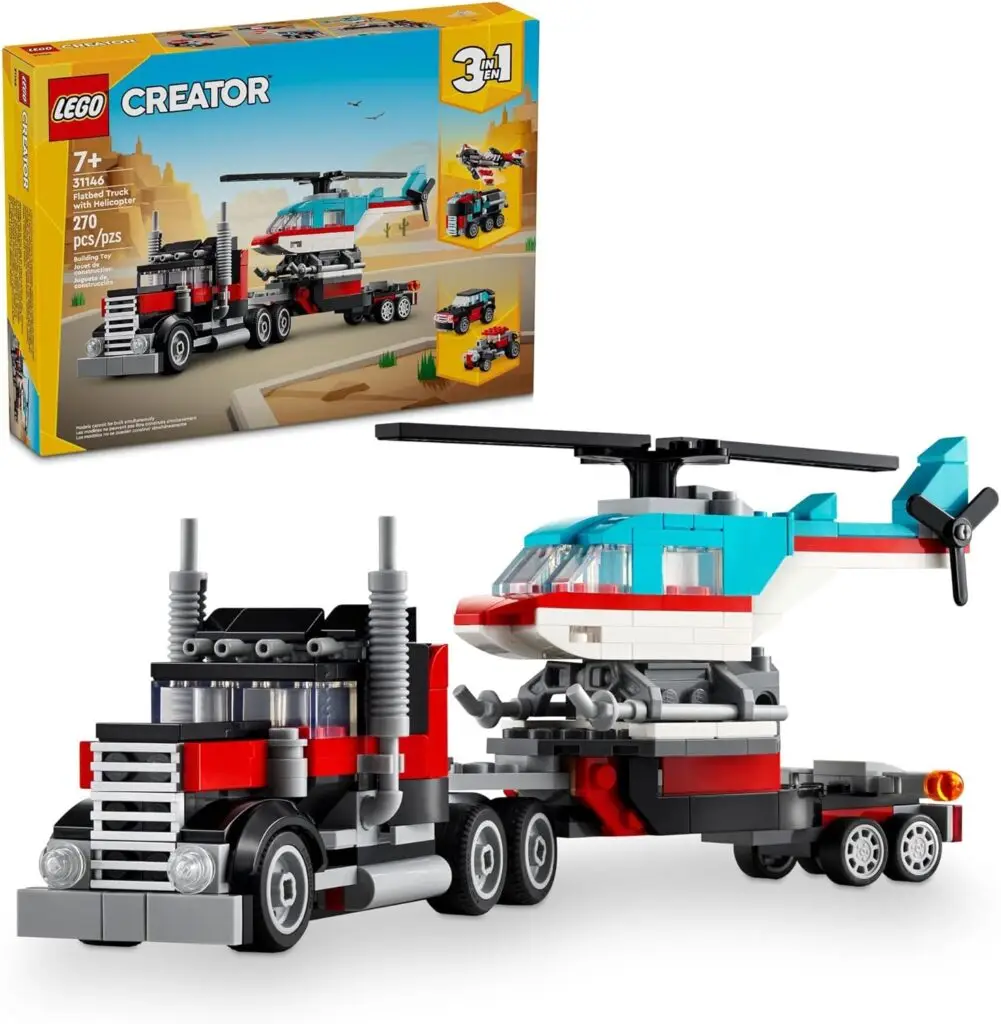
- School-age kids: board games, LEGO Creator sets, action figures, and craft kits.
A well-organized play space makes toys accessible and minimizes frustration. When kids can see and reach their toys, they’re more likely to dive into play on their own—without needing constant direction.
Balance Structured Play and Free Play
Not all baby toys play looks the same. Some of it is guided and purposeful, while others play is open-ended and led by imagination. Both are essential.
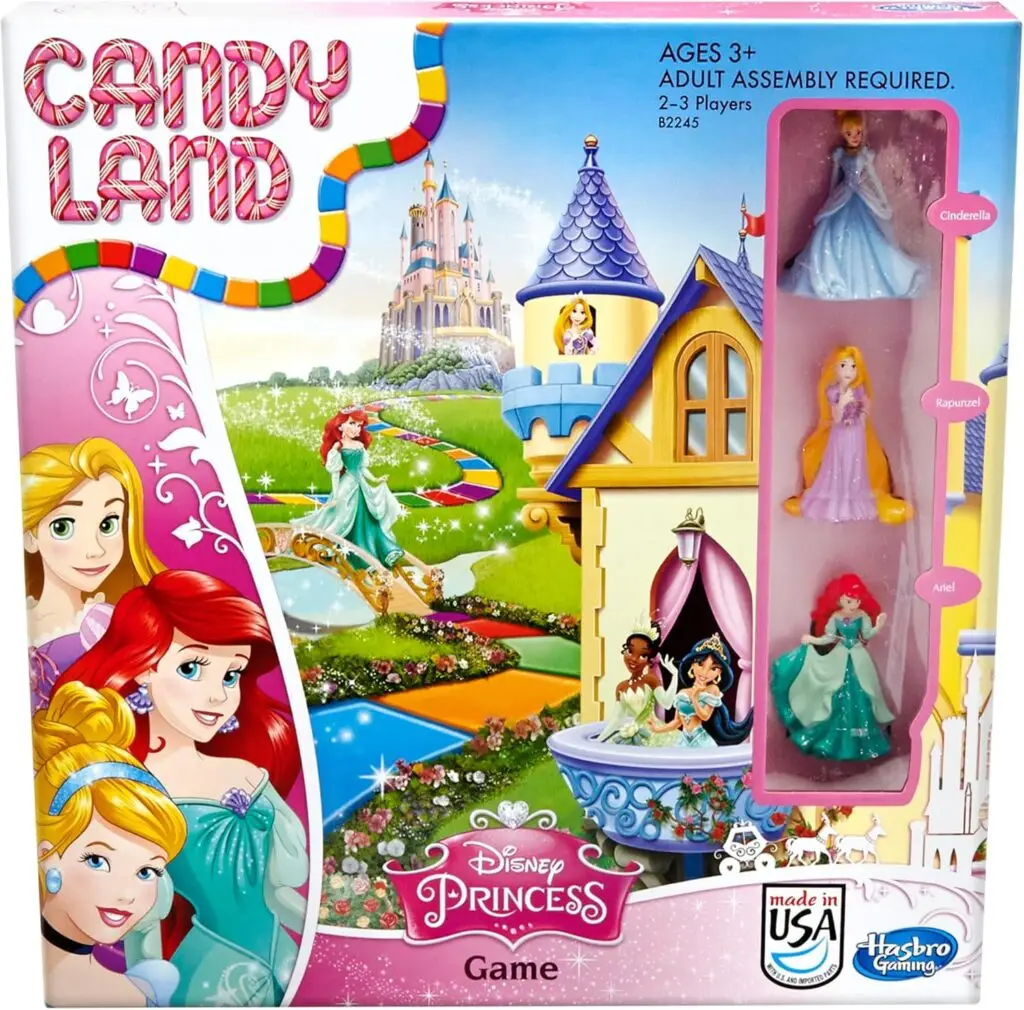
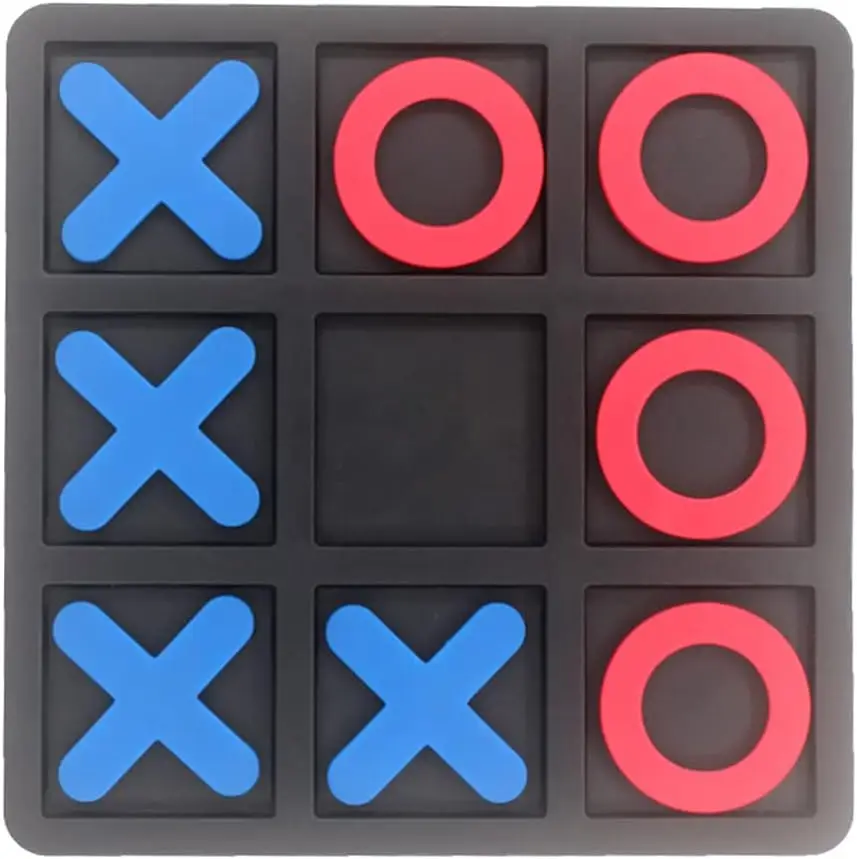
- Structured play includes puzzles, board games like Candy Land or Connect 4, or cooperative building with LEGO Duplo blocks. These activities help children develop problem-solving, logic, and teamwork.
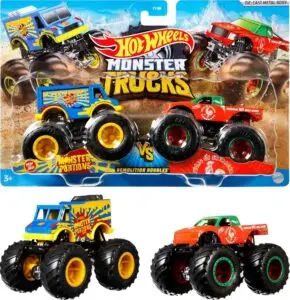
- Free play is where the magic of creativity happens. This could mean dressing up dolls, creating race tracks for Hot Wheels cars, or building forts out of couch cushions. Free play encourages self-expression and independent thinking.
Parents can strike a balance by planning moments for structured play—like a family board game night—while also allowing plenty of unstructured playtime. That way, children learn to follow rules when needed but also develop the confidence to create their own adventures.
Get Involved in Playtime
Many parents think of play as something kids do on their own. But your involvement can be transformative. When parents join in, playtime becomes an opportunity for bonding, communication, and learning.
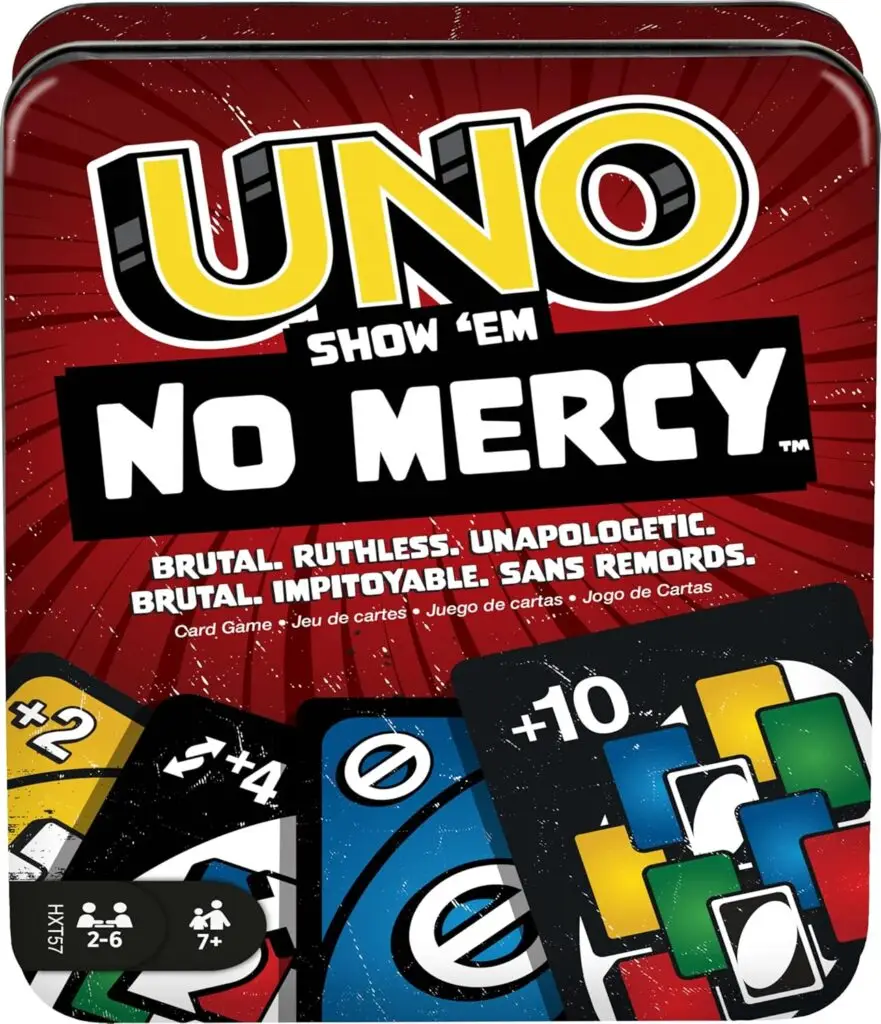
Sit on the floor and build a tower with your child’s wooden blocks. Pretend to be a customer while they “cook” you a meal in their toy kitchen. Race toy cars together or help Barbie plan her dream vacation. By engaging, you show your child that their interests matter. You’ll also gain valuable insights into how they think, what they enjoy, and where they may need extra support. Plus, children often open up more during play than in formal conversations. A round of UNO cards might lead to an honest talk about school or friendships—without them even realizing they’re sharing.

Rotate Toys to Keep Play Fresh
Parents often notice that kids beg for new baby toys but lose interest quickly once they’re at home. The secret to avoiding this? Toy rotation.
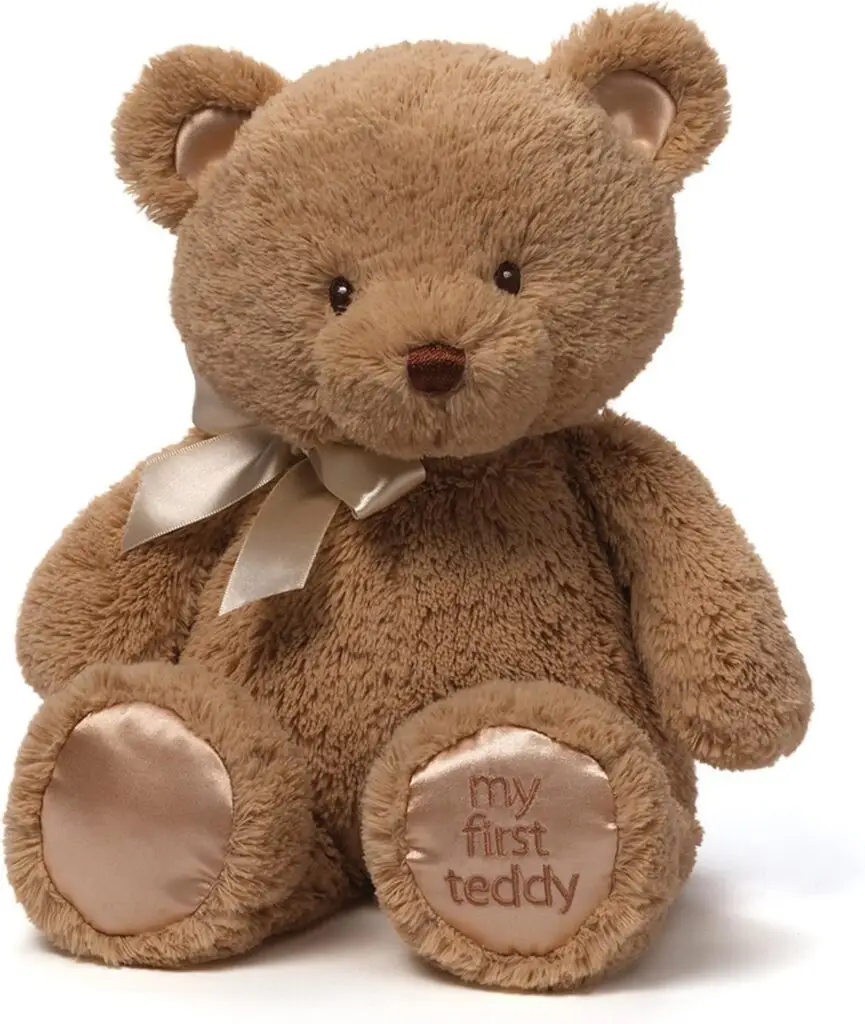
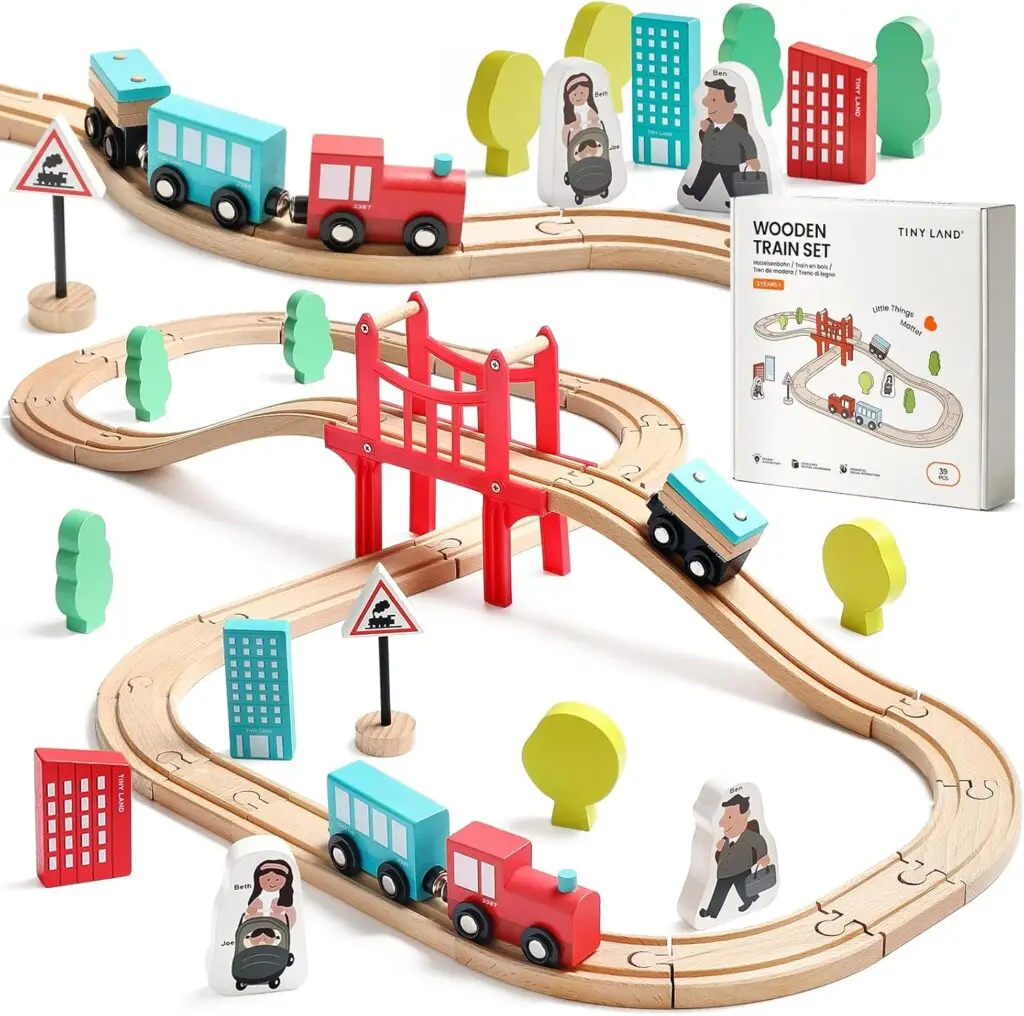
Instead of leaving every toy out all the time, store some away. After a few weeks, reintroduce the hidden toys. Suddenly, that plush teddy bear or wooden train set feels brand new again. This method not only keeps playtime exciting but also encourages children to fully explore what they already have. When fewer toys are available at once, kids get more creative, combining items in new ways. For example, a box of LEGO bricks might become part of a fort for stuffed animals, or a Barbie doll might drive a toy dump truck instead of her convertible.
As an Amazon Associate, this website earns from qualifying purchases. This comes at no extra cost to you. Thank you for supporting our work – it helps us keep sharing helpful content with you.
“We’d love to hear from you!
Have any thoughts, feedback or suggestions about our blog? Share them here—we’re always excited to know what you think. Your comments help us grow and make our blog even better for you!