
Postpartum Care: A Complete Guide for New Mothers
Bringing a baby into the world is one of life’s most beautiful experiences — but the journey doesn’t end at childbirth. The postpartum period (often called the “fourth trimester”) is a crucial time for a mother’s physical recovery, emotional adjustment, and bonding with her newborn.
According to the World Health Organization, postpartum care is essential for preventing complications and supporting the well-being of both mother and baby. Yet many mothers focus only on newborn care and overlook their own recovery.
This comprehensive guide covers everything you need to know about postpartum care — from physical healing and nutrition to emotional health and recommended products.

What Is Postpartum Care?
Postpartum care refers to the support and medical attention a mother needs after childbirth. This period typically lasts 6–8 weeks, but full recovery can take several months depending on:
Type of delivery (vaginal or C-section)
Pre-existing health conditions
Emotional well-being
Support system at home
The American College of Obstetricians and Gynecologists recommends ongoing postpartum care rather than just one check-up at six weeks.
Physical Recovery After Birth
Vaginal Delivery Recovery
Common symptoms:
Perineal pain or tearing
Vaginal bleeding (lochia)
Swelling
Hemorrhoids
Helpful Care Tips:
Use cold packs for swelling
Warm sitz baths
Perineal spray
Rest as much as possible
C-Section Recovery
A C-section is major abdominal surgery, so recovery may take longer.
Care essentials:
Keep incision clean and dry
Avoid lifting heavy objects
Support abdomen while coughing
Watch for signs of infection
Managing Postpartum Bleeding
Postpartum bleeding can last 4–6 weeks. It gradually changes from bright red to brownish or yellow.
⚠️ Contact your doctor if:
Bleeding soaks a pad in an hour
You pass large clots
You experience dizziness or fever
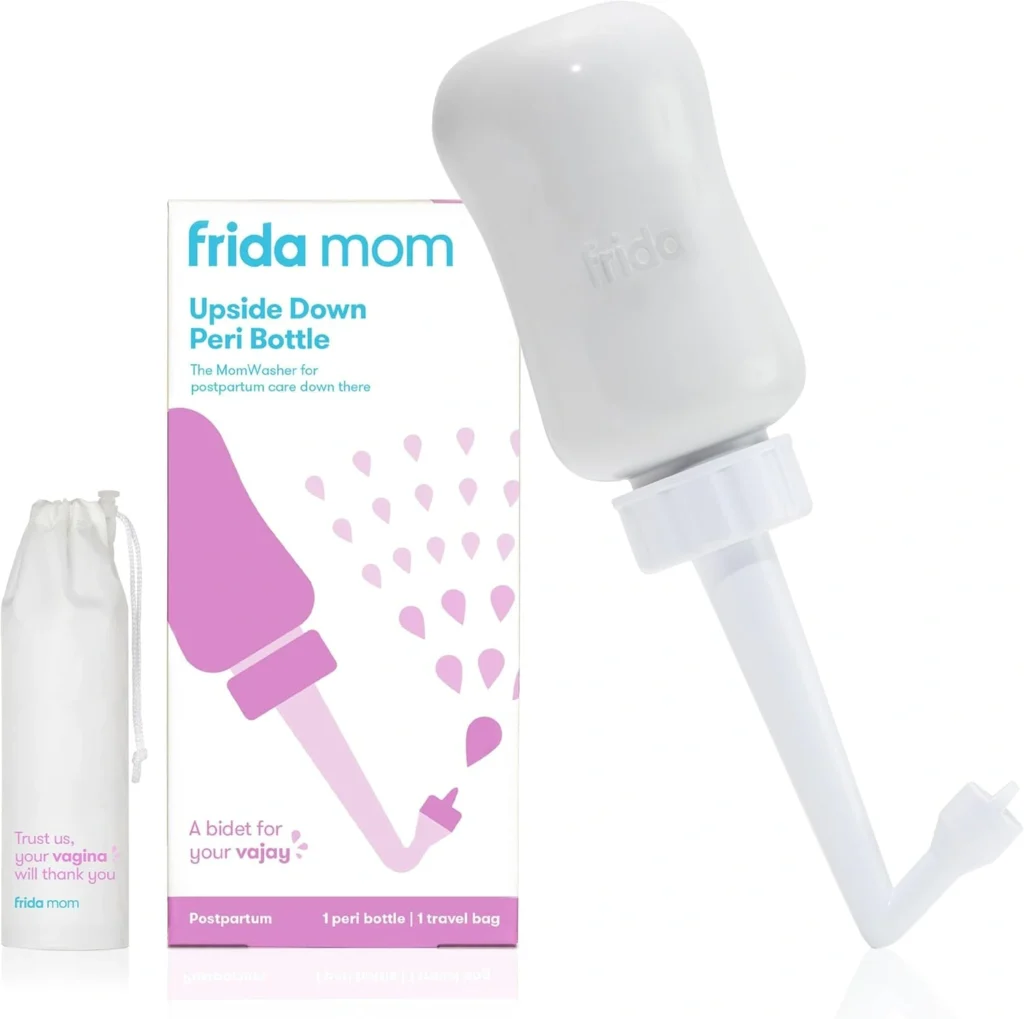
Key Features
Upside-Down Angled Nozzle – Easy, mess-free cleaning without awkward bending.
Gentle Continuous Spray – Soothes soreness and supports faster postpartum healing.
360° Targeted Cleaning – Reaches sensitive areas comfortably.
Large 10 oz Capacity – Fewer refills, more convenience.
Leak-Proof + Travel Bag – Perfect for hospital bag or travel.
BPA-Free & Safe – Designed for sensitive postpartum care.
Emotional & Mental Health
Hormones fluctuate dramatically after childbirth. Many mothers experience:
Baby blues (common)
Mood swings
Anxiety
Postpartum depression
The Centers for Disease Control and Prevention reports that about 1 in 8 women experience postpartum depression.
Signs of Postpartum Depression:
Persistent sadness
Loss of interest in activities
Difficulty bonding with baby
Extreme fatigue
Thoughts of harming self or baby
If symptoms last more than two weeks, seek medical help immediately.

Nutrition & Hydration
Your body needs proper nutrition to heal and produce breast milk.
Essential Nutrients:
Iron (prevents anemia)
Calcium (bone health)
Protein (tissue repair)
Omega-3 fatty acids (brain health)
Fiber (prevent constipation)
Healthy Postpartum Foods:
Leafy greens
Eggs
Lean meats
Lentils
Yogurt
Fruits
Nuts
Drink at least 2.5–3 liters of water daily, especially if breastfeeding.
Breast Care & Breastfeeding Support
Breastfeeding can be challenging in the beginning.
Common issues:
Sore nipples
Engorgement
Low milk supply
Blocked ducts
Tips:
Ensure proper latch
Use nipple cream
Pump if necessary
Stay hydrated
The La Leche League International offers excellent breastfeeding guidance for new mothers.
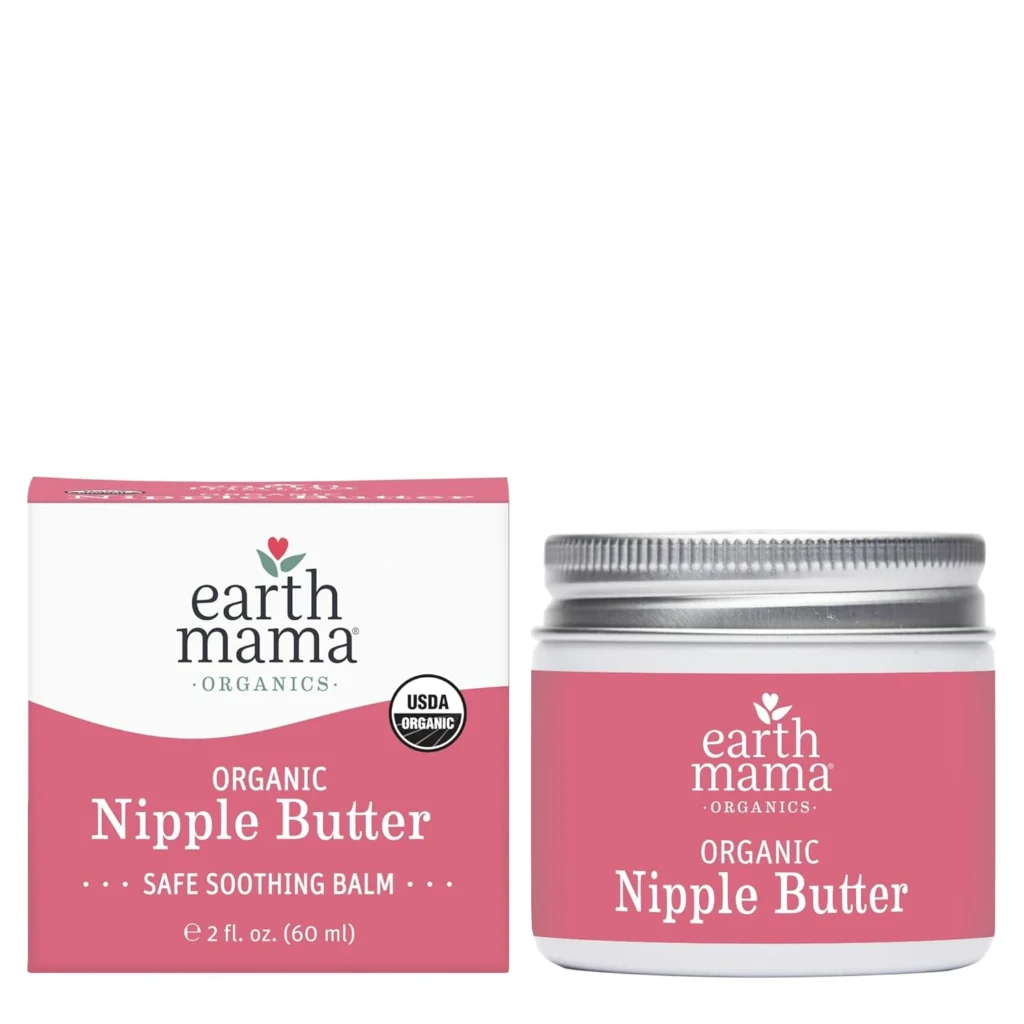
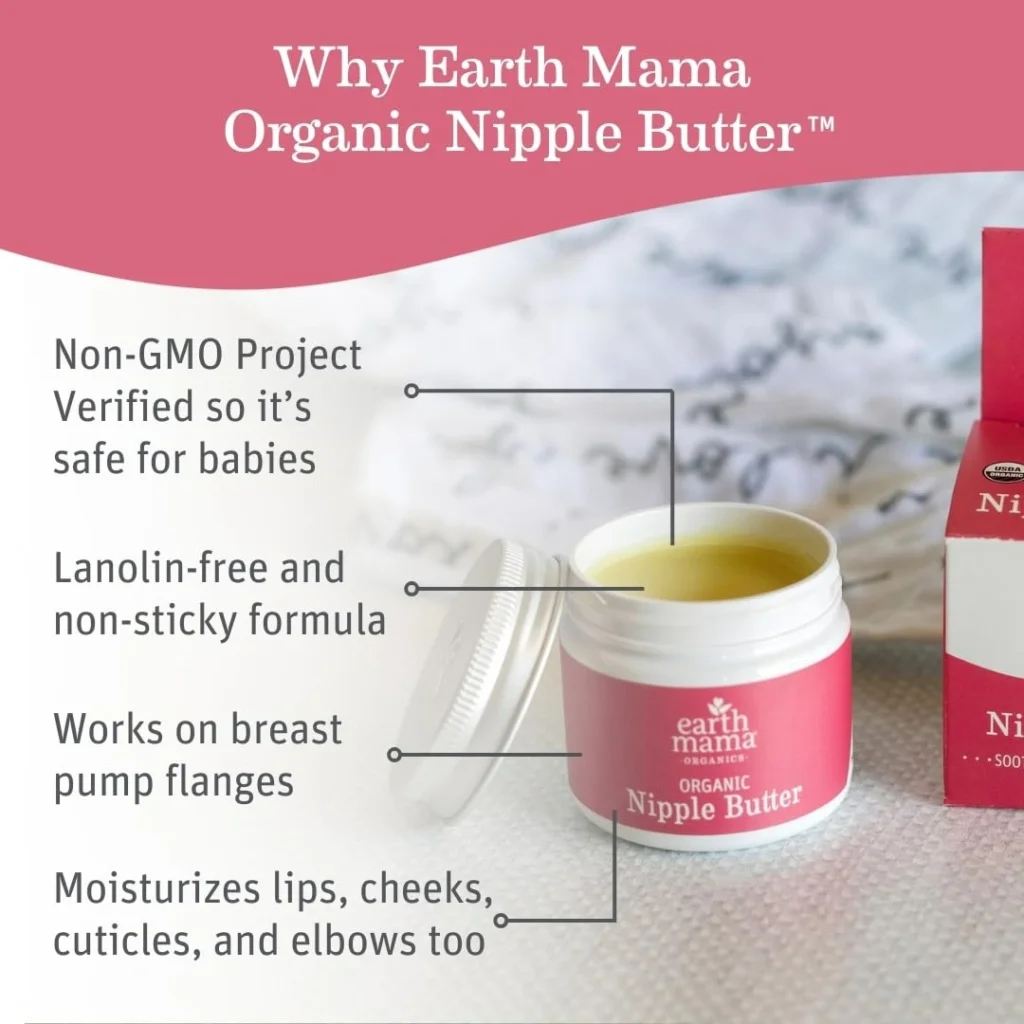
Perfect for moms who want a natural, chemical-free postpartum essential. Great addition to hospital bag checklists and baby shower gift guides.
Key Features
USDA Certified Organic – Made with 95%+ organic herbal oils to soothe sore, cracked nipples.
100% Lanolin-Free Formula – First lanolin-free nipple cream in the U.S.; ideal for sensitive skin.
Safe for Baby – No petroleum, preservatives, or harsh chemicals. No need to wipe off before nursing.
Dermatologist Tested – Helps relieve dryness, irritation, and discomfort from breastfeeding or pumping.
Multi-Use Balm – Also works on lips, cuticles, and dry skin patches.
Hospital & NICU Chosen – Trusted by healthcare professionals across the country.
Highly Rated – 4.7★ from 63,000+ reviews; #1 in nipple therapy products.
Pros
Certified organic & non-GMO
Safe to use before nursing
Gentle on sensitive skin
Multi-purpose use
Trusted brand with strong reviews
Cons
Slightly more expensive than basic lanolin creams
Thick texture (may feel heavy for some users)
Currently unavailable in some pack sizes
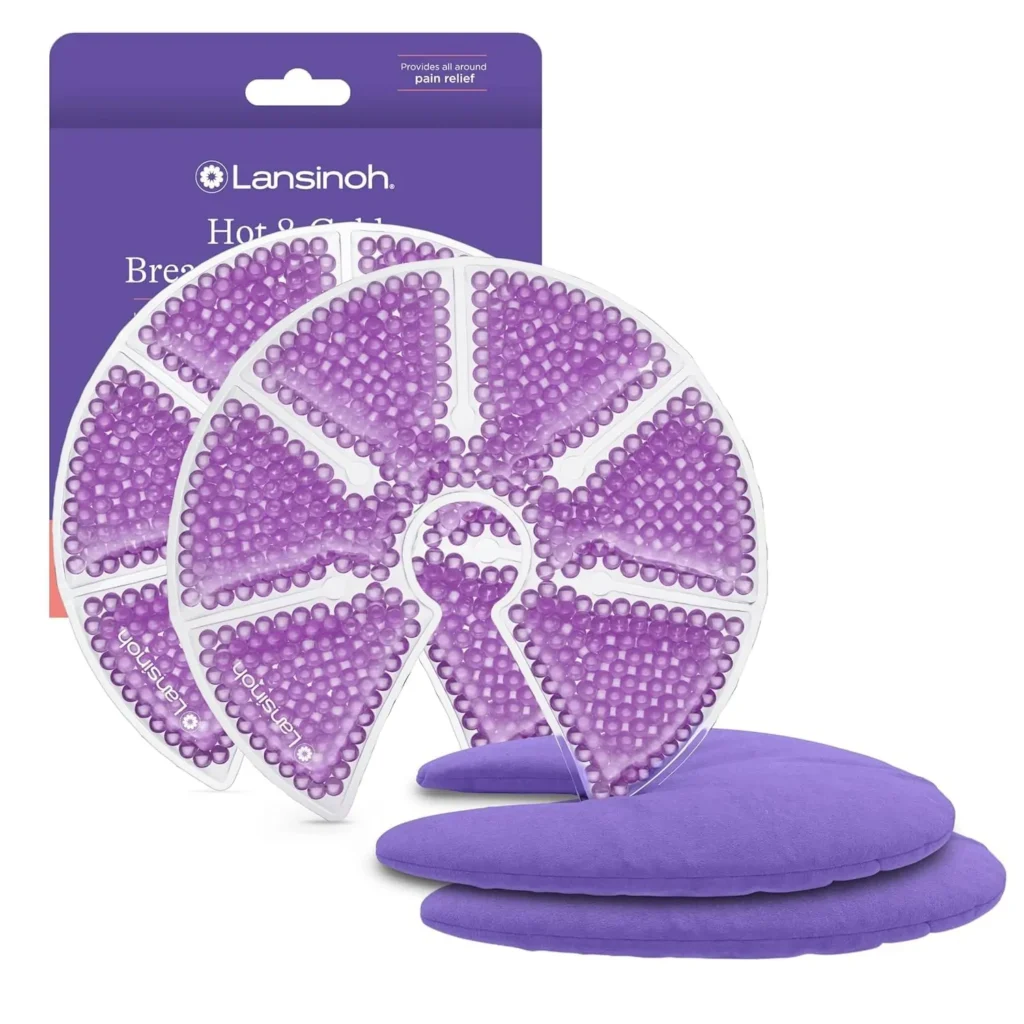
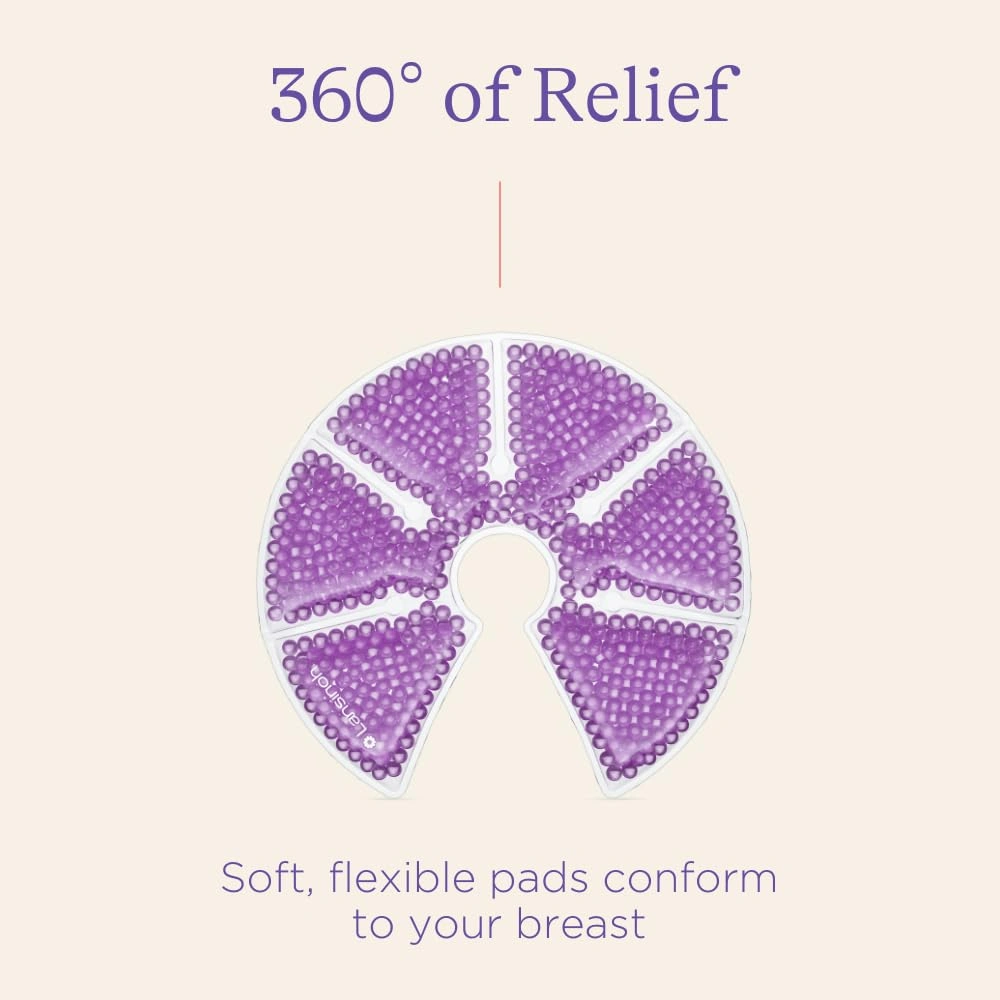
A must-have postpartum essential for moms dealing with engorgement, clogged ducts, or pumping challenges. Affordable, reusable, and hospital-bag friendly — making it a strong addition to breastfeeding recovery guides.
Key Features
Cold Therapy Relief – Use as an ice pack to reduce engorgement, swelling, and early breastfeeding pain.
Hot Therapy Support – Helps relieve clogged ducts and mastitis while encouraging milk let-down.
Pump Support Aid – Use warm before pumping to improve milk flow and reduce pumping time.
Soft & Flexible Design – Conforms comfortably to the breast for 360° soothing relief.
Reusable & Durable – Designed for repeated use; microwave and freezer safe.
Safe Materials – BPA/BPS free, latex-free, and lactation consultant recommended.
Highly Rated – 4.6★ from 30,000+ reviews; widely trusted postpartum essential.
Pros
Dual hot & cold functionality
Reusable and cost-effective
Comfortable soft covers included
Supports common breastfeeding issues
Affordable price point
Cons
Needs reheating/refreezing between uses
May cool down quickly during extended use
Requires microwave access for heat therapy
Sleep & Rest

Newborns wake frequently, which disrupts sleep.
Survival Tips:
Sleep when baby sleeps
Accept help from family
Limit visitors
Avoid overworking yourself
Even short naps can improve recovery and mental clarity.
Gentle Exercise & Movement

After medical approval (usually 6 weeks), light activity can help:
Walking
Pelvic floor exercises (Kegels)
Light stretching
Postnatal yoga
Avoid intense workouts until your doctor approves.
Postpartum Hygiene Essentials
Maintaining hygiene reduces infection risk.
Recommended essentials:
Maternity pads
Perineal bottle
Sitz bath
Comfortable cotton underwear
Nursing bras
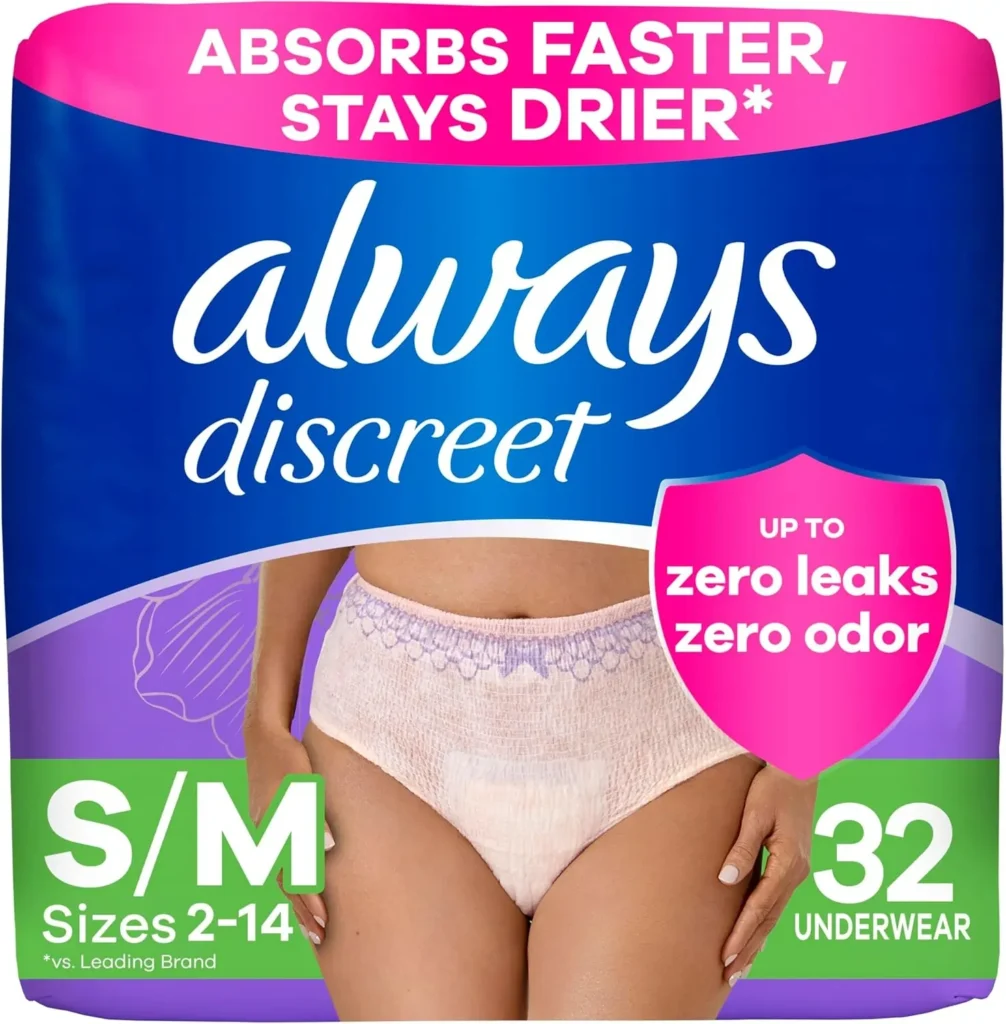
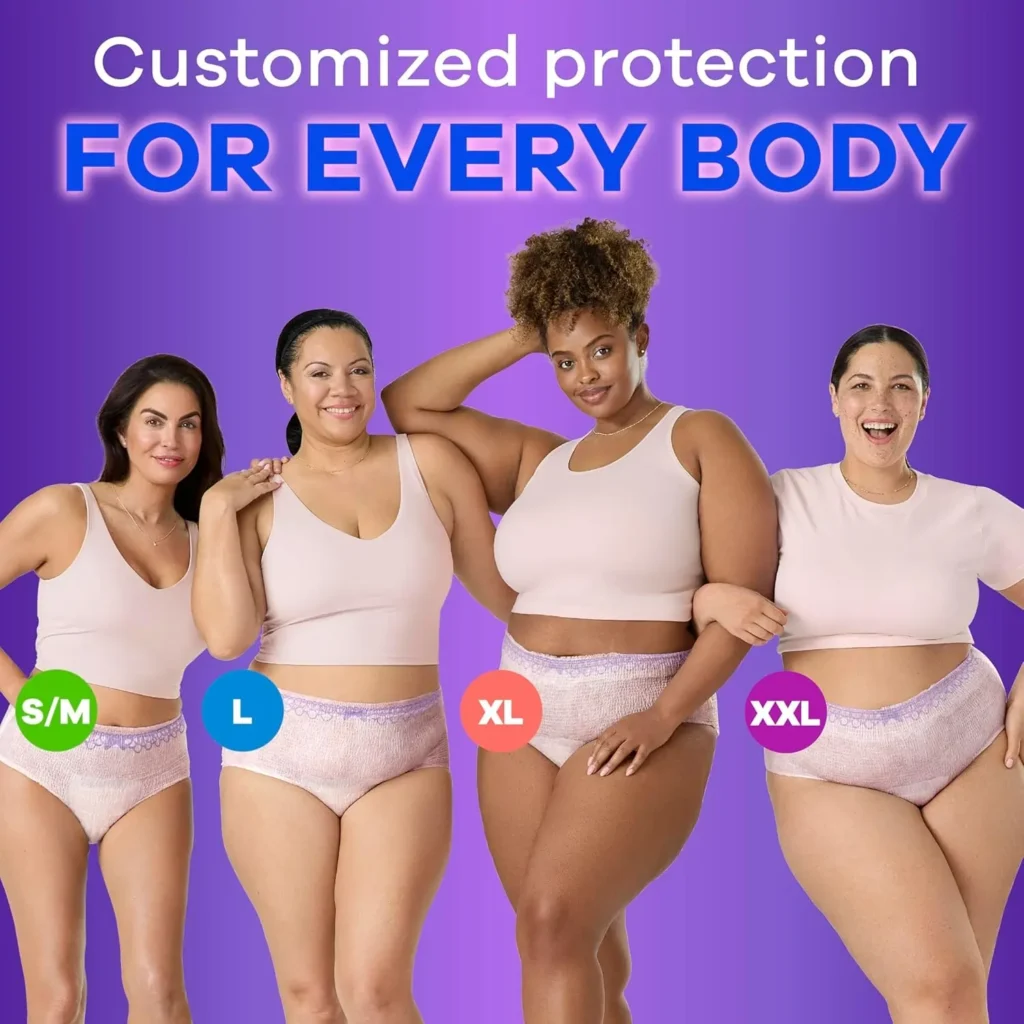
Ideal for moms experiencing heavy postpartum bleeding or bladder leakage. Offers more protection than regular pads — especially overnight — making it a practical hospital bag essential.
Key Features
Up to 12 Hours Dryness – Reliable day & night protection for postpartum bleeding or bladder leaks.
Super Absorbent Core – Quickly turns liquid into gel to lock in moisture within seconds.
OdorLock Technology – Neutralizes odors instantly for confidence and freshness.
Zero Leaks Protection – Designed to prevent leaks even during movement or sleep.
Cottony Soft 4-Way Stretch – Fits like regular underwear; comfortable and discreet.
Curve-Friendly Fit – Designed for various body shapes (sizes 2–26W+).
Easy-Open Packaging – Convenient for quick changes.
Pros
Maximum absorbency for heavy postpartum flow
Comfortable, underwear-like fit
Strong odor control
Widely trusted & highly rated (4.4★, 59K+ reviews)
Great for nighttime use
Cons
- Bulkier than regular maternity pads
Higher shipping cost to some countries
Disposable (not eco-friendly option)
When to See a Doctor Immediately
Seek urgent medical care if you experience:
High fever
Severe abdominal pain
Heavy bleeding
Chest pain
Difficulty breathing
Thoughts of self-harm
Never ignore warning signs.
At AngryBabyzGo Postpartum care is not a luxury — it’s a necessity. A healthy mother means a healthy baby. Taking time to rest, eat well, seek help, and use supportive products can make the recovery journey smoother.
Motherhood is powerful — but healing matters too.